


Imagine a longtime gel nail client returning for their usual treatment, lowering themselves into their familiar chair, only to look at their fingertips and see several red, irritated, swollen spots. They look to their nail technician for reassurance; after all, these same gel nails had never had any issues before. However, this is only the beginning of what will likely become a nail allergy, as the client will keep returning to their technician for more treatments using the same product. Nail allergic reactions are most commonly caused by repeated exposure to the same allergens, making the development of a nail allergy a slow process.
This article discusses what causes a gel nail allergy, identifies nail allergy symptoms, and suggests hypoallergenic gel products that will reduce the likelihood of a client developing a skin allergy. Fortunately, a reaction does not mean giving up gel nails for good. By choosing safer formulas, you can keep your clients in the chair without causing an allergic reaction.
What Is a Nail Allergy?
A nail allergy, also known as allergic contact dermatitis, differs from a food or drug allergy. A nail allergy, or allergic contact dermatitis, is most frequently caused by chemicals called acrylates. Often, a reaction isn't present from day one, as repeated contact with these ingredients can lead to contact dermatitis. Understanding how this immune response works helps you manage future manicures safely.
How a Nail Allergy Develops
- Repeated Exposure: Repeated contact over weeks or months is what pushes the immune system past its tolerance threshold. Allergic reactions don't happen instantly; most people develop symptoms weeks after first exposure.
- Uncured Gel Risks: The nail plate cannot carry allergens; therefore, uncured gel or liquid acrylate that touches the cuticle will most likely irritate the skin and reach deeper layers.
- Permanent Sensitization: A sensitized immune system will most likely react to tiny or trace amounts of an allergen. When exposed to the offending chemical, a sensitized person will most likely suffer flare-ups again.
- Cross-Reactivity: A sensitized immune system will most likely react to related acrylate products, including those used in dental procedures like orthodontic bonding.
Why Nail Allergies Are More Common Now
- Increased Popularity: The massive rise in gel nail polish and acrylic nails means far more overall population exposure to reactive monomers.
- Frequent Appointments: Getting fills every two weeks increases direct contact with the nail bed and surrounding skin.
- Better Diagnostics: Dermatologists now perform allergy testing more routinely, catching cases that previously went undiagnosed.
- Measurable Impact: Dermatology audits show roughly 2.4 percent of tested patients react to a methacrylate allergy, representing a significant number of beauty clients.
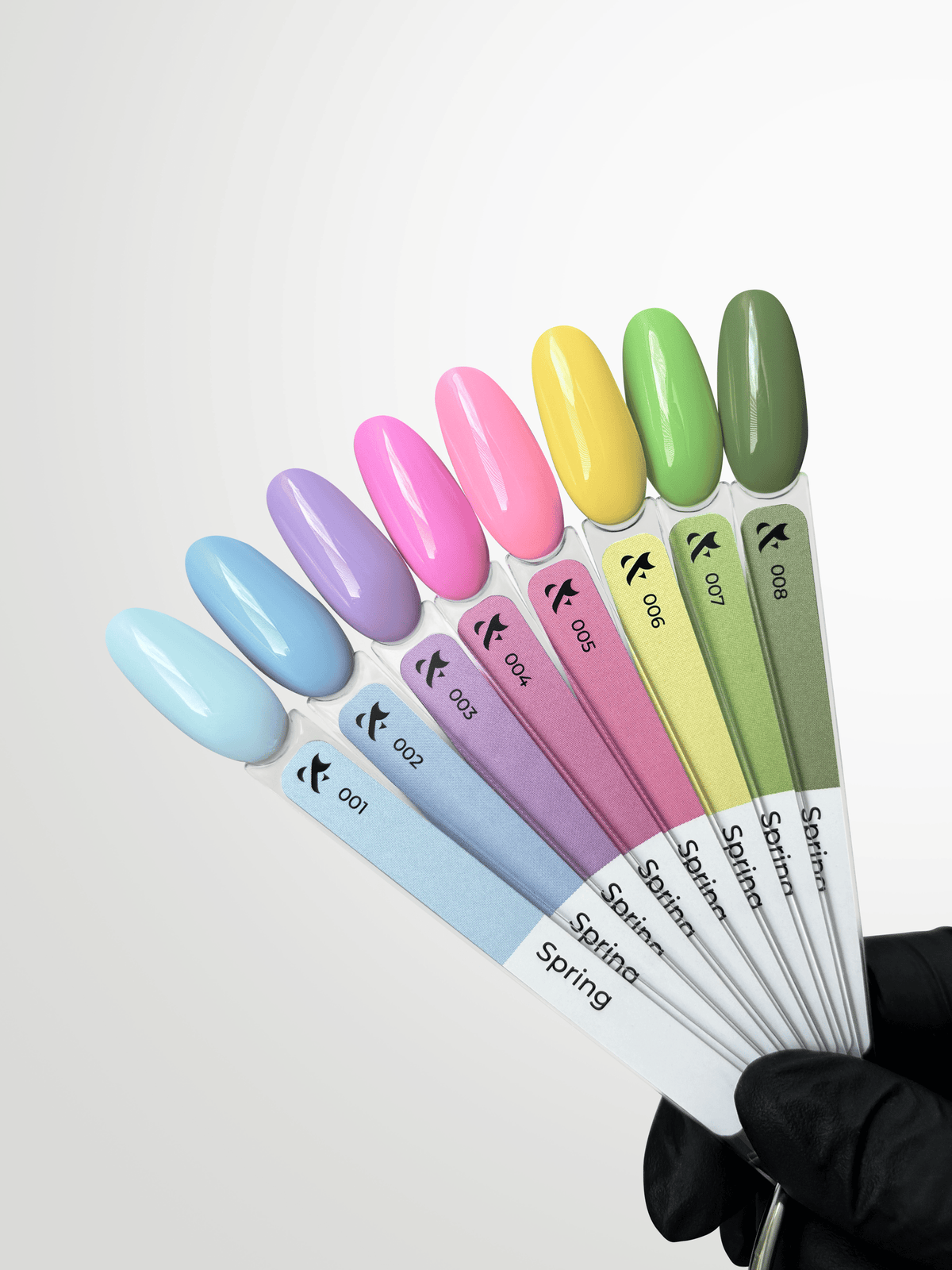
Can You Be Allergic to Gel Nails?
Yes, you can certainly be allergic to gel nails. Gel nail allergy cases have risen alongside the popularity of these manicures, prompting dedicated dermatological research.
- HEMA Involvement: HEMA is the primary allergen in traditional gel systems and joined European patch testing panels in 2019.
- Formula Variations: Simply switching from acrylic to gel polish does not guarantee safety, as many formulas still rely on acrylate monomers.
- Individual Sensitivity: Not everyone exposed to gel products develops an allergic reaction, as personal genetics play a large role.
- Delayed Response: A first exposure to an acrylate rarely causes immediate issues, as the immune response requires prior sensitization.
How Gel Nail Allergy Actually Develops
- Skin Contact: Gel touching the nail folds during application, rather than cured material on the nail plate, drives most sensitization.
- Undercuring Hazards: Improperly cured gel leaves uncured chemicals sitting on the surface, allowing direct contact to continue indefinitely.
- Equipment Mismatch: Using the wrong lamp type, such as a UV light for an LED formula, leaves product undercured despite full exposure time.
- At-Home Kits: Home application often lacks professional precision, accelerating sensitization when applying gel extensions without training.
Gel Nail Allergy: Symptoms and Triggers
Recognizing a gel allergy early helps you avoid prolonged chemical exposure and severe skin irritation.
Nail Allergy Symptoms to Watch For
- Redness Around Nails: Inflammation along the cuticle and nail fold is the earliest sign of contact dermatitis.
- Persistent Itching: Itching or burning on the surrounding skin often appears before visible redness develops.
- Blister Formation: Fluid-filled blisters can form around the nail bed if a mild reaction progresses.
- Dryness and Cracking: Continuous direct contact with an allergen damages the skin barrier, causing peeling around the cuticles.
- Timing: Most nail allergy symptoms appear within a few days of exposure, making it easy to track back to a specific appointment.
What Raises Your Risk
- Rushing the LED Lamp: Shortening curing time under the LED lamp leaves active chemicals on the surface.
- Layering Over Residue: Applying fresh product over old material traps uncured gel against the skin.
- Skipping the Base Coat: A proper base coat and top coat create a barrier against the nail plate, so skipping them increases direct exposure.
- Using Expired Product: Old formulas cure unpredictably, leaving higher concentrations of uncured chemicals behind.
Can You Be Allergic to Acrylic Nails?
Yes, acrylic nails cause reactions just as frequently as gel nails, stemming from the same broad family of acrylate monomers.
- Shared Chemistry: Acrylic and gel products rely on similar monomer structures, meaning an allergic reaction to one often requires caution with both.
- Recreational Exposure: Most acrylate allergy cases stem from personal use of nail glue or home kits.
- Occupational Exposure: Other cases affect the nail technician who handles these chemical compounds daily.
- Nail Health: Prolonged wear of heavy enhancements can cause thinning and damage independent of any contact allergy.

(Image by Alina Kay on Canva)
What Causes Acrylic Sensitization
- Liquid Monomers: Direct skin contact with liquid monomers during sculpting is a major source of sensitization.
- Methyl Methacrylate: Older systems used methyl methacrylate, a severe irritant compared to the ethyl cyanoacrylate or ethyl methacrylate used today.
- Nail Glue Risks: Fast-bonding nail glue frequently touches the skin during tip application and quick repairs.
- Additive Resins: Formulas containing formaldehyde resin introduce secondary allergens that compound overall skin irritation.
- Metal Tools: Nickel in metal files represents an unrelated skin allergy that often overlaps with acrylate sensitivity.
Acrylic Nail Allergy: Symptoms and Triggers
Acrylic reactions mirror gel nail allergy issues, but several specific indicators are unique to liquid and powder systems.
Recognizing an Acrylic Reaction
- Spreading Redness: Inflammation that starts at the cuticle and moves down the finger indicates an active acrylate allergy.
- Nail Lifting: Separation of the nail plate from the nail bed shows that irritation has moved beneath the surface.
- Nerve Sensations: Severe exposure can occasionally cause paresthesia, leading to tingling or prickling sensations in the fingertips.
- Secondary Infections: Damaged skin around the nail creates openings for bacterial or fungal issues.
- Facial Transfer: Touching the face after handling uncured acrylic can transfer allergens, leading to eyelid irritation or neck dermatitis.
Occupational Versus Recreational Exposure
- Daily Professional Contact: A nail technician faces constant, compounding exposure across multiple appointments every week.
- Home Safety Gaps: DIY users often skip gloves and proper ventilation, increasing their risk of allergic contact dermatitis.
- Salon Ventilation: High-grade extraction systems, such as dust collectors, lower airborne monomer levels and reduce overall risk for everyone in the space.
- Systemic Signs: Severe occupational exposure for a nail technician can trigger respiratory or eye irritation, whereas general client risk is typically limited to localized skin reactions.
How to Choose Hypoallergenic Nail Products
Selecting the right formula is the most practical way to lower your risk of developing a contact allergy.
What Makes a Formula Lower Risk
- Excluding High-Risk Monomers: Hypoallergenic formulas, such as those in this gel, builder, and overlay collection, eliminate strong sensitizers found in regular nail polish and traditional gel systems.
- TPO-Free Options: TPO-free manufacturing reflects deliberate ingredient choices designed to reduce skin irritation.
- Proper Curing Requirements: Even hypoallergenic formulas must be fully cured to prevent uncured gel from touching the skin.
- Transparent Labeling: Clear ingredient panels allow dermatologists to conduct accurate patch testing.
- Batch Consistency: Reliable manufacturing keeps chemical levels stable, preventing unexpected flare-ups.
- Ethical Standards: Many modern brands combine cruelty-free standards with hypoallergenic designs for overall user safety.

Where F.O.X Nails Fits In
- F.O.X Hard Gels: This collection offers hypoallergenic, TPO-free builder gels that provide strength for gel extensions without high-risk sensitizers.
- F.O.X Liquid Acryl Gel Bottle: Formulated for liquid-to-gel applications, this product delivers a hypoallergenic option for smooth sculpting.
- F.O.X Acryl Gel Charm: This line brings high-level skin safety to colored designs, so art enthusiasts do not have to compromise.
- F.O.X Jelly Gels: Designed for sheer looks, these gels use a hypoallergenic base to help protect the skin barrier.
Preventing a Nail Allergy Before It Starts
Adopting clean application habits reduces your chances of developing a permanent gel allergy.
Habits That Reduce Direct Contact
- Avoid the Skin: Preventing liquid from touching the cuticle is the single most effective way to prevent irritant contact dermatitis.
- Apply Barrier Products: Liquid latex or barrier creams stop accidental skin contact during detailed work.
- Clean Up Immediately: Wiping away stray product before using the LED lamp limits how long chemicals sit against the skin.
- Replace Old Tools: Discard contaminated brushes to prevent repeated exposure to degraded, uncured product.
Patch Testing and Product Habits
- Perform Patch Testing: Testing a single spot before full application is the safest way to evaluate new nail products.
- Keep Product Logs: Tracking brands and ingredients makes it easier to identify the source of an allergic reaction.
- Monitor Formula Changes: Switching to new gel nail products is the moment a hidden acrylate exposure is most likely to surface.
- Rotate Products: Some technicians alternate formulas to avoid building sensitivity to a single blend.
What to Do If You Already Have a Nail Allergy
If you notice nail allergy symptoms, act immediately to protect your hands from further damage.
Immediate Steps to Take
- Stop Usage Immediately: Remove all enhancements and stop using nail polish the moment symptoms appear.
- Consult a Professional: See a dermatologist for proper allergy testing; standard patch testing remains the gold standard for identifying triggers.
- Use Prescribed Treatments: A doctor may prescribe topical steroids to calm severe skin irritation and inflammation.
- Keep the Area Dry: Gentle care prevents secondary infections while the damaged skin barrier repairs itself.
Moving Forward Safely
- Switching Formulas: Transitioning to HEMA-free or TPO-free systems like F.O.X Hard Gels lowers the chance of recurring issues.
- Exploring Alternatives: Nail wraps or press-ons offer a low-risk option for those allergic to gel.
- Communicating With Salons: Confirming what formulas a salon uses before booking helps you avoid accidental acrylate exposure.
- Spacing Appointments: Extending time between appointments reduces overall exposure, allowing the skin time to recover.
Always seek medical advice before attempting home treatments, as self-care can mask worsening symptoms.
Frequently Asked Questions
Why Did My Gel Nail Allergy Show Up After Years of Getting the Same Manicure?
Sensitization builds over time through repeated exposure, causing an allergic reaction only after your immune system crosses its tolerance threshold.
What is the Difference Between an Allergic Reaction and Skin Irritation?
Irritant contact dermatitis results from direct chemical damage to the skin barrier, whereas methacrylate contact dermatitis involves an active response from the immune system.
Does Dip Powder Carry the Same Allergy Risk as Gel or Acrylic?
Yes, dip systems rely on ethyl cyanoacrylate and related monomers and carry similar contact dermatitis risks.
How Long Do Gel Nail Allergy Symptoms Typically Last?
Mild symptoms usually subside within a few days after removing the product, though severe cases require topical steroids and professional care.
Does a Nail Allergy Ever Go Away Once You Develop It?
No, once the immune system reacts and becomes sensitized to an acrylate, that contact allergy is permanent.
What Are Safe Alternatives if I Already Have a Confirmed Acrylate Allergy?
Switching to nail wraps, natural manicures, or certified HEMA-free products allows you to maintain styled nails safely.
How Can I Tell a Gel Allergy Apart From a Fungal Infection?
A gel allergy causes rapid itching, redness, and nail lifting shortly after application, while fungal infections develop slowly over time.
Do Hypoallergenic Products Fully Eliminate Allergy Risk?
No product guarantees zero risk, but removing known sensitizers significantly lowers the odds of triggering an allergic reaction.
How Soon Do Symptoms Appear After Exposure?
Most people notice nail allergy symptoms within a few days of direct contact with uncured material.
Are At-Home Gel Kits Riskier Than Professional Salon Visits?
Home kits carry a higher risk because improper technique and weak lamps can leave uncured gel on the skin.
Conclusion
Both gel and acrylic reactions stem from the same family of acrylate monomers and develop through repeated contact over time. Recognizing symptoms early, understanding how your immune system reacts, and choosing clean formulas makes a real difference. If you are updating your kit, select hypoallergenic, TPO-free options like F.O.X Hard Gels or the F.O.X Liquid Acryl Gel Bottle, and always seek medical advice if irritation occurs.


