


If you have spent any time in nail salons or scrolling through your social feed lately, you’ve likely seen the BIAB trend exploding. It is the word on every nail artist and client’s lips. But as the beauty industry moves fast, it is easy for things to get a bit muddled. Is it just a fancy gel polish? Is it basically acrylic nails in a different outfit?
The nail industry is shifting toward healthy nails and natural nail growth, which is exactly why so many pros are switching their service menu to lead with BIAB nails.
In this guide, we give you a clear explanation and pro insights into why this protective overlay is a game-changer. Whether you are dealing with nail biters or clients with brittle nails, this manicure bridges the gap between a regular gel and heavy-duty nail enhancements.
What Is BIAB?
To put it simply, Builder in a Bottle is a specialized soak-off gel that has a thicker consistency than your regular gel polish but comes in a convenient gel bottle with a brush. It was designed to offer the structural support of a hard gel, but with the ease of application you get with gel colours.
Simple Definition
At its core, BIAB is a thick gel that arrives in a bottle rather than a pot. It is applied like gel polish, meaning you use a brush-on technique, but it doesn't run or flood the nail bed like a thin regular polish might. Once applied to the nail surface, it cures under UV/LED light to create a hard, durable layer.
How Builder in A Bottle Works
When a nail artist applies BIAB nails, they aren't just adding color; they are creating a protective layer over the nail plate. This protective overlay acts as a shield, strengthening natural nails and preventing breakage. Because the gel is so sturdy, it allows the client to keep their natural nails underneath safe from daily wear and tear. This is why a BIAB manicure is the gold standard for natural nail growth; it gives the nails the time they need to grow without snapping at the stress point.
BIAB vs Builder Gel (Quick Explanation)
While they sound similar, BIAB differs from traditional builder gel mainly in packaging and viscosity. Builder gel usually comes in a pot and requires a separate brush, whereas builder in a bottle is all-in-one. BIAB offers more ease for quick manicures, while potted gels often provide a bit more flexibility for extreme nail extensions.
What Is Builder Gel (And How Is It Different)?
To fully understand the manicure world, we have to look at the "big brother" of the gel family: traditional builder gel.
What Is Builder Gel?
Traditional builder gel is a thick-viscosity gel used to create a proper structure on the nail. It is the backbone of many nail enhancements. Unlike regular nail polish, it doesn't just sit on the nail surface; it builds an apex that provides the strength needed for long nails.
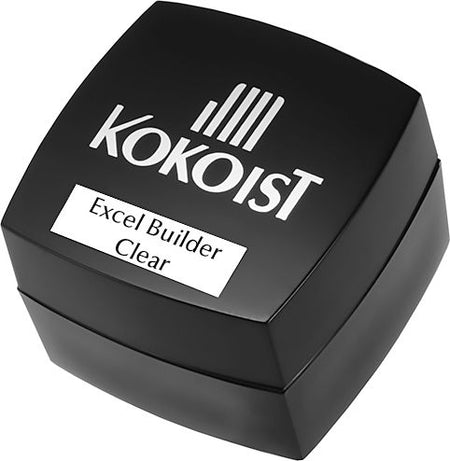
Key Differences Between BIAB & Builder Gel
The application method is the most obvious difference. With BIAB nails, you work from the gel bottle. With potted builder gel, you need a steady hand and a separate tool. In terms of strength, potted hard gels are generally tougher, making them better suited for long extensions. BIAB is a soft gel, meaning it can be soaked off, whereas many hard gels must be filed off. The sculpting ability of potted gel is higher because it doesn't move as much, whereas BIAB has a lovely self-leveling formula that does much of the work for you.
When to Use Each
As a nail technician, you’ll choose BIAB for overlays and maintaining natural nails. If a client wants significant nail length or 3D nail shape changes, you’ll reach for the potted builder gel to ensure the nails have enough structural support.
Why BIAB Is the #1 service requested in 2026
The beauty editor world is obsessed with BIAB nails right now, and for good reason. It fits perfectly into the 2026 nail trends of "quiet luxury" and healthy nails.
Strength Without Bulk
Clients no longer want the thick, "fake" look of old-school acrylic nails. They want nails that look like their own, only better. BIAB provides a durable layer that is lightweight yet incredibly strong.
Natural Look Clients Love
The neutral shades trend is huge. Most BIAB brands offer a range of nudes, pinks, and peaches that mimic the look of a healthy nail bed. You don't even need a separate nail polish or gel colours on top if you don't want to.
Faster Services for Salons
In busy nail salons, time is money. A BIAB manicure involves fewer steps than a full set of acrylic nails. Since it is a self-leveling formula, the amount of nail file work required is minimal, significantly speeding up nail services.
Nail Health Focus
There is less damage compared to acrylics because the removal process is gentler. When removed correctly, BIAB leaves the nail plate intact, making it a favorite for those recovering from weak nails.
Why Every Tech In the USA Is Switching to BIAB
Why do we love BIAB? Let’s count the ways this manicure style benefits both the nail artist and the client.
Strengthens Natural Nails
Adding a protective layer stops the nails from bending. This step helps to prevent breakage in clients with naturally thin layers of keratin.
Long-Lasting Results
A standard gel nail polish might last two weeks, but BIAB nails easily go 3–4 weeks of wear. It stays bonded to the nail surface without lifting.
Flexible and Lightweight
Because it is a soft gel at heart, it has a tiny bit of "give." This flexibility means less cracking compared to the rigid nature of acrylic nails.
Easy Application
The bottle-and-brush system makes it accessible. Even a new nail technician can master the BIAB manicure with a few training sessions, as the gel flows easily to cover the free edge.
Ideal for Clients Growing Nails
For nail biters, BIAB is a miracle. It tastes bad (as all polish does), it’s too thick to bite through, and it provides the nail growth environment needed to finally see some nail length.

Who Shouldn't Use BIAB? (What Techs Should Know)
No product is magic. While we love BIAB, there are things a nail technician must keep in mind.
Not Ideal for Long Extensions
If a client wants dramatic long extensions, BIAB isn't the best tool. It is designed for short extensions or overlays. For major length, you need the rigidity of hard gels or acrylics.
Less Sculpting Control
Because it is a self-leveling formula, it wants to move. If you are trying to sculpt a very specific, complex nail shape, you might find it runs toward the side walls if you don't work quickly.
Requires Proper Curing
You must use a strong lamp, preferably a high-quality UV/LED lamp calibrated for that specific gel. Improperly cured gel can lead to allergies or nail damage.
Skill Still Matters
Don't be fooled by the bottle—proper nail prep is still 90% of the work. You still need to gently buff the nail surface and ensure the nail plate is dehydrated to prevent lifting.
How to Use Builder Gel Like a Pro (F.O.X Method)
If you want to elevate your nail services, using a high-quality product like F.O.X BIAB Gel is key. Their self-leveling formula is legendary among professionals.
Prep Steps
Start with proper nail prep. Clean the cuticle area with cuticle nippers, gently buff the nail surface with a nail buffer, and apply a nail prep dehydrator. Follow up with a primer or a thin base layer of base coat to ensure maximum adhesion to the nail bed.
Application Methods
For a natural overlay, apply a thin "slip layer" of gel, but don't cure. Then, take a larger BIAB bead and place it near the cuticle, pulling it down toward the free edge. Allow it to self-level to create the proper structure and apex. For short extensions, use a nail form and build out the nail length in thin layers.
Curing Times
Always check the manufacturer's guide, but typically, a UV lamp requires two minutes, while a modern LED lamp needs 60 seconds. Make sure the client's hand is positioned correctly so all nails get even light.
Pro Tips
- Avoid cuticle flooding: Leave a tiny gap between the gel and the skin.
- Use a liner brush: Pull the gel perfectly to the edges of the nail plate.
- Invert the hand: Have the client turn their hand upside down for 5 seconds before curing to help the apex settle perfectly.
Why F.O.X Builder Gel is ideal:
It features a superior self-leveling capability, creates a strong structure for the nails, and is hypoallergenic and cruelty-free.
Removal
Remove using the F.O.X. Gel remover or a nail drill.

BIAB vs Acrylic vs Gel: Which Should You Choose?
Choosing the right manicure depends entirely on the client standing in front of you in the nail salon.
BIAB vs Acrylic
Acrylic nails are the "heavy lifters." They are incredibly hard and great for long extensions. However, BIAB nails offer more flexibility and a much more natural look. BIAB is also soak-off, whereas acrylics often require more aggressive filing.
BIAB vs Gel Polish
Regular gel polish or gel nail polish is just color. It offers almost no structural support. BIAB is much thicker and provides a protective layer that prevents the nails from snapping. If your client has weak nails, regular gel won't be enough, they need BIAB.
Best Option by Client Type
| Client Type | Recommended Service |
| Weak nails | BIAB |
| Long extensions | Builder gel or Acrylics |
| Quick color | Gel nail polish |
| Nail biters | BIAB manicure |
Frequently Asked Questions
What Is the Difference Between BIAB and Builder Gel?
BIAB is a specific type of builder gel that comes in a bottle with an integrated brush and is formulated for natural nail overlays. Traditional builder gel typically comes in a pot and is better suited to sculpting, extensions, and more structural nail work. BIAB differs primarily in packaging, ease of application, and flexibility.
How Long Does BIAB Last?
A well-prepped BIAB manicure typically lasts three to four weeks. Proper nail prep, avoiding cuticle flooding, and curing each layer correctly are the key factors in hitting the upper end of that range consistently.
Is BIAB Safe?
Yes, when applied and removed correctly by a trained nail technician, BIAB is considered safe and far less damaging than acrylic nails. Some formulations are HEMA-free, making them suitable for clients with gel sensitivities. Clients with severely damaged nail beds, very thin nails, or certain skin conditions, such as psoriasis, should consult with their nail tech before booking.
Does BIAB Cause Nail Damage?
Far less than acrylics, when handled correctly. The removal process of gently filing the gel top coat, then soaking in acetone, is much gentler on the nail plate than drilling off acrylic nails or hard gels. The key is that BIAB must be removed correctly by a professional rather than peeled or forced off, which can cause nail damage.
Can You Apply Polish Over BIAB?
Absolutely. One of the great things about a BIAB manicure is that you can apply regular gel polish, gel nail polish in gel colours, or even regular nail polish over the cured BIAB for added colour or nail art. Simply follow your BIAB layers with your chosen colour and finish with a gel top coat.
What Are BIAB Curing Times?
Generally, each layer of BIAB cures in approximately 60–99 seconds under a good LED lamp, and around 2 minutes under a UV lamp. Your gel top coat typically needs 60 seconds. Always follow your specific product's recommended curing times, as they vary by brand and formula.
Who Should Not Use BIAB?
Clients with severely damaged nails, extremely thin or lifting nail beds, active psoriasis or eczema on the nail bed, or confirmed allergies to gel ingredients (particularly HEMA, in standard formulas) should either avoid BIAB or use a HEMA-free version. If nails are in very poor condition, it's worth giving them time to recover before applying any nail enhancements.
Conclusion
Builder in a bottle is the modern solution for long-lasting manicures that prioritize healthy nails. It combines the strength of builder gel nails with the easy application of a gel bottle, and it has completely transformed how a nail technician approaches their work.
We’ve seen how BIAB nails provide a protective overlay that encourages natural nail growth, making it the perfect choice for anyone with brittle nails or those simply looking to maintain long nails without the bulk of acrylics. While builder gel remains the go-to for complex structures, BIAB is the pro upgrade that every service menu needs in 2026. Whether you are doing intricate nail art or a simple, clean manicure, this product ensures the nails stay strong, flexible, and beautiful.


