


We have all been there: you spend time and money on a fresh manicure, only to notice chips, lifts, or peeling polish just a few days later. For many, the struggle with brittle nails or naturally thin, flexible nails makes achieving a long-lasting finish feel impossible. If your nails tend to bend, break, or peel, you might be wondering, "What does a rubber base coat do?"
The answer lies in a formula that creates a bond that moves with you. A rubber base coat is the secret to transforming a fragile natural nail plate into a strong, resilient foundation. Whether you are a professional tech or a DIY enthusiast, understanding this flexible base is the key to durability. In this guide, we will explore why a rubber base is a game-changer, how it differs from a regular base coat, and much more.
What Is a Rubber Base Coat?
A rubber base coat is an advanced foundational layer that provides superior flexibility and adhesion compared to a standard base coat. Unlike a rigid coating that may crack when the natural nail moves, a rubber base gel remains flexible after it is cured. It has a thicker consistency than traditional options, allowing it to cover the nail plate with a protective, cushioning layer.
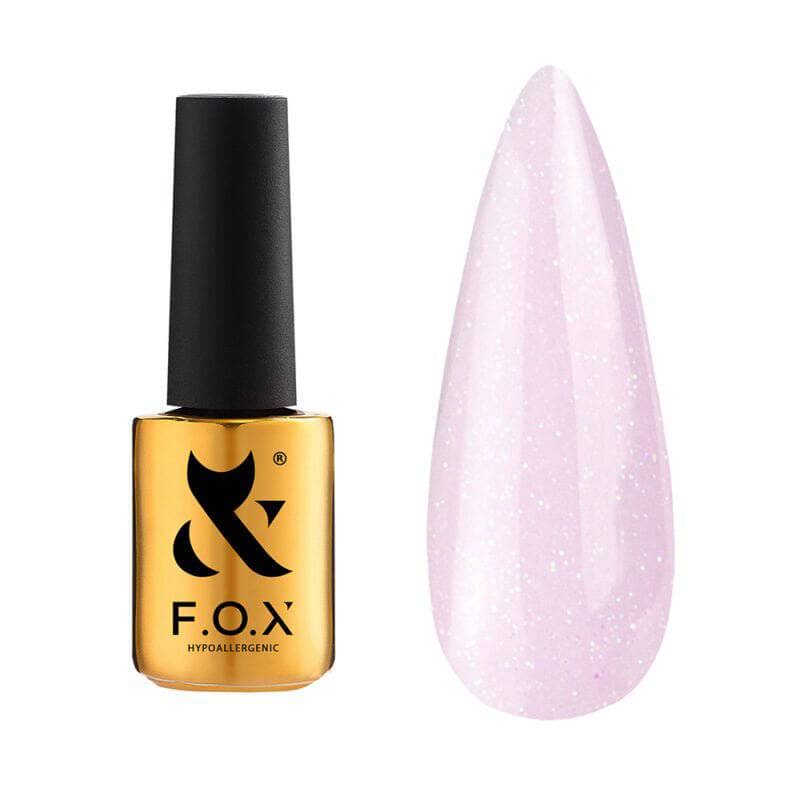
The "rubber" in the name refers to its unique flexible formula. It is specifically designed to flex and bend with the natural nail plate, making it an ideal choice for clients with flexible nails or those prone to breakage. F.O.X Nails offers high-quality rubber base options that provide excellent adhesion and extra strength. Many professional-grade formulas, including those from F.O.X Nails, are HEMA and TPO-free to reduce the risk of allergic reactions for those with sensitive skin.
Clear vs. Colored: The Truth About Rubber Base
While "colored rubber base" is a popular term in the industry, it is important to understand that a true rubber base is always clear. This is because the original formula is designed for maximum flexibility and shock absorption — behaving like a cushion that bends with the natural nail. Once pigments are added to create a "colored" version, the chemical formula becomes more rigid. Because of this added rigidity, colored bases no longer perform with the same elasticity as a true rubber base; they basically become semi-hard gels that prioritize structure over flexibility.
If you are looking for a product that provides both strength and a beautiful tint in one step, you are likely looking for BIAB (Builder in a Bottle). While often marketed as a colored rubber base, BIAB is technically a tinted builder gel. It is a semi-hard gel that is more rigid than a clear rubber base, making it the perfect choice for adding structure and professional color to natural nails. Shop our Tinted Builder/Base Coats (BIAB) here.

What Does a Rubber Base Coat Do?
The science behind a rubber-based gel is simple yet effective. Because of its thick, self-leveling consistency, a rubber base coat fills in ridges, dips, and other irregularities on the nail bed. This self-leveling action ensures a smooth, even surface for a professional, high-quality finish.
When applied to the natural nail plate, the rubber base provides better adhesion by seeping into the microscopic grooves of the nails. After you cure the layer under a lamp, a sticky layer (also known as a tacky layer) forms. This sticky layer is vital for the adhesion of the next coat, as it acts like a magnet for the color.
Compared to a rigid traditional base coat, the rubber component allows the manicure to absorb shock. If you hit your nails against a hard surface, the flexible nature of the rubber base coat prevents the gel from lifting or cracking. It essentially acts as a shock absorber for both the nail plate and the enhancement.
Top Benefits You Get With a Rubber Base
Choosing a rubber base over a standard gel offers several distinct advantages that improve the client's nail condition.
Stronger Natural Nails
A rubber base coat is a flexible base coat that helps protect nails from breaking and splitting. It provides additional strength without being overly rigid, which is perfect for encouraging the growth of longer nails.
Lasting Color and Durability
Because it prevents peeling and lifting, a rubber base can significantly extend the wear time of a manicure. Rubber base coats provide better adhesion to the natural nail plate and reduce the risk of artificial nails loosening, peeling, or breaking.
Targeted Adhesion
A rubber base coat is specifically recommended for clients with oily, flaky, or bendy nail beds where standard gel retention is poor. It ensures the product stays put even on difficult surfaces.
Smooth Canvas
Its medium-to-thick viscosity fills in ridges, dips, and imperfections, creating a perfectly smooth canvas for color application. This results in a professional, high-quality finish with a natural look every time.
How to Apply Rubber Base Coat (Step by Step)
Proper nail preparation is important to properly apply a rubber base coat.
- Prep: Prep the nails using cuticle nippers or cuticle scissors. Use a nail buffer and nail prep dehydrator to remove any oils. Then apply a primer using a semi-dry brush.
- Apply Base: Apply a thin layer of self-leveling rubber base coat to cover the entire nail, ensuring you reach the free edge.
- Cure: Place the hand under an LED/UV lamp. Curing times can vary depending on the lamp used and the manufacturer's recommendations.
- Color: Apply your gel polish directly onto the sticky layer. If you’re using products from different brands, remove the sticky layer after curing the base to avoid potential brand compatibility issues.
- Top Coat: Finish with a top coat to seal the manicure. Do not remove the sticky layer until the very final step if your top coat requires it.
After applying and curing a rubber base coat, you can seamlessly layer a variety of enhancements, including vibrant jelly gels, traditional gel polish, or intricate 3D nail art. Its superior adhesion also makes it an excellent foundational layer for artificial extensions such as acrylics, polygels, or soft gel tips, ensuring the enhancement stays securely bonded to the natural nail.
Read our guide on gel nails to learn more.
Removal
Remove your rubber base coat using F.O.X. Gel remover or a nail drill.

Common Mistakes People Make with Rubber Base Coats
Several factors can affect how a rubber base coat performs, and most problems come from small habits that are easy to miss.
- Skipping Prep: Even the best rubber base will peel if the nail plate is oily.
- Applying Too Thick: While the rubber base is thicker, a layer that is too thick may not cure fully in the lamp.
- Incorrect Curing: Failing to cure for the full recommended time will compromise the durability.
- File the Free Edge: File the free edge to achieve a perfect shape.
They’re great for brittle or thin nails, and their self-leveling properties provide the excellent adhesion required for a professional result.
Frequently Asked Questions
Can You Use Rubber Base Coat With Regular Nail Polish?
It is not recommended. The rubber base is designed for UV gel polish systems. Regular polish may not adhere well to the sticky layer.
Is Rubber Base Coat Better Than Gel Base Coat?
It depends on the nail condition. A rubber base is better for thin, flexible, or damaged nails. It’s also an ideal option for natural nails that curl as they grow.
How Long Does A Rubber Base Coat Last?
When applied correctly, a rubber base can last three weeks or longer without lifting.
Does A Rubber Base Coat Help Protect Natural Nails?
Yes, it provides a flexible protective layer that prevents tears and breakage.
Can You Remove Rubber Base Coat At Home Safely?
Yes, rubber base coats can be removed using F.O.X Gel Remover or with a nail drill.
Does Rubber Base Coat Make Nails Grow Faster?
It does not change the growth rate, but it prevents nails from breaking, allowing them to grow longer.
What Is the Best Rubber Base Coat for Weak Nails?
A high-viscosity, flexible formula like F.O.X Nails Rubber Base is ideal for providing the necessary support for weak nails.
Conclusion
A rubber base coat serves as a flexible foundation that strengthens nails and improves wear. It bends with the natural nail plate, supports adhesion, and helps prevent cracking, lifting, and breakage. For many nail types, especially thin or flexible nails, it offers a reliable solution that supports both beauty and nail health.
Choosing the right base coat sets the tone for the entire manicure. When you use it correctly, a rubber base coat helps deliver durable, smooth, professional results that meet the expectations of both beginners and experienced nail professionals.


