


Nothing frustrates a nail tech faster than seeing a fresh set start lifting after just a few days. In most cases, the problem isn’t the gel itself. It’s the nail prep underneath it.
That’s why the nail dehydrator vs. primer debate matters so much. These two products are often grouped together, but they do completely different jobs on the natural nail plate. One removes oils and moisture, while the other creates the chemical bond that helps products stay locked in place.
If you’ve ever wondered what a nail dehydrator does, how it works, or whether you can skip primer for gel nails, you’re in the right place. This guide breaks everything down clearly and practically. By the end, you’ll know exactly which nail prep products to use, the correct sequence, and how to prevent lifting before it starts.
What is a Nail Dehydrator?
A nail dehydrator is a prep liquid that removes oils, moisture, and residue from the nail surface before product application. Think of it as the cleaning stage of professional nail prep.
Without it, even the best gel base coat can struggle to grip the natural nail.
What Does Nail Dehydrator Do?
A nail dehydrator works by temporarily drying out the surface of the nail plate. This creates a clean foundation for primer and gel products. Specifically, it:
- Removes surface oils, moisture, and residue
- Temporarily dehydrates the natural nail plate
- Slightly shifts the nail surface pH to help adhesion
- Creates a dry surface for better product retention
- Helps reduce lifting and premature service breakdown
What it does not do is create adhesion on its own. A dehydrator clears the nail surface, but it doesn’t act as a bonding agent. Many lifting problems happen because people assume dehydrator and primer are interchangeable.
They aren’t.
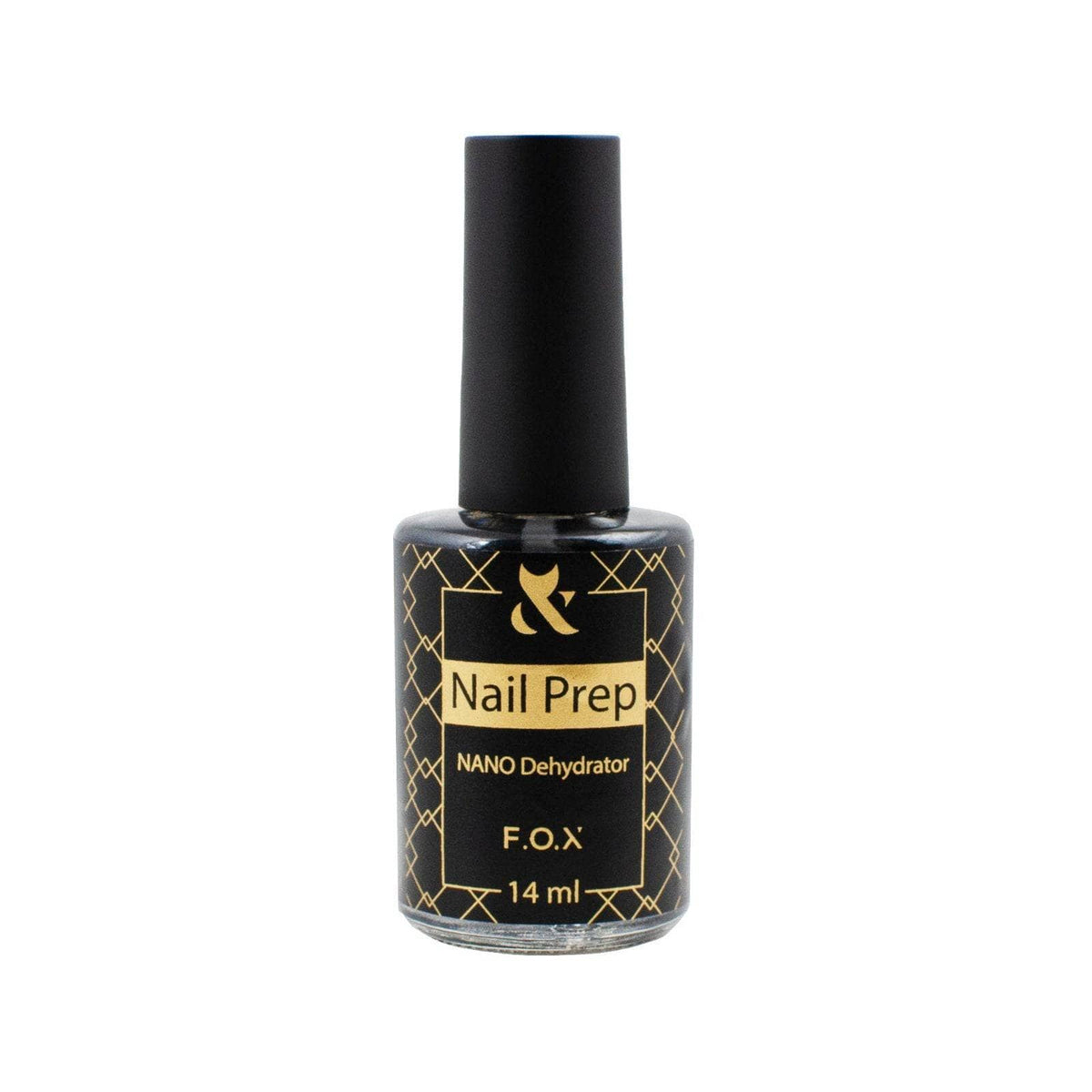
How Nail Dehydrator Works
If you’ve searched “how does nail dehydrator work” before, the answer is fairly simple: it evaporates quickly and strips away moisture and oils from the nail plate. Most professional formulas are alcohol or solvent-based.
For instance, the F.O.X NANO Dehydrator Nail Prep uses ingredients such as ethyl acetate, isopropyl alcohol, and isobutyl acetate to quickly clean the entire nail plate. Once applied with the brush:
- The liquid spreads across the nail surface
- Oils and moisture evaporate
- The nail turns matte or chalky-looking
- The surface becomes ready for primer application
You don't need any UV lamp. This dehydrator air-dries in around 10 – 15 seconds.
Important: Once the dehydrator dries completely, move to primer quickly. Waiting too long allows natural oils to return to the nail bed.
When to Use a Nail Dehydrator
You should use a nail dehydrator before:
- Gel polish
- Builder gel
- Acrylic nails
- Acrygel systems
- Any professional nail enhancements
It becomes even more important for:
- Oily nail beds
- Clients with hyperhidrosis
- Humid salon environments
- Clients prone to lifting
Note: The F.O.X NANO Dehydrator Nail Prep is HEMA-free, hypoallergenic, and vegan-friendly. That makes it a strong option for salons working with sensitive clients while still maintaining professional adhesion standards.
What Is a Nail Primer?
If the dehydrator cleans the nail canvas, primer is the adhesive layer that helps everything stay attached. A nail primer creates a chemical bond between the natural nail and the gel or acrylic product applied on top.
Acid vs. Non-Acid Primers
There are two main types of nail primer:
- Acid-based
- Non-acid
Both improve adhesion, but they work in very different ways. Choosing the right one depends on the client’s nail type, the service you’re performing, and how much lifting you’re trying to prevent.
Acid Primers
Acid-based primers contain methacrylic acid. They slightly etch the nail surface to create a rougher texture that acrylic or gel products can grip onto more effectively. This creates a very strong bond between the natural nail plate and the enhancement product.
Acid primers are commonly used for:
- Acrylic systems
- Clients with chronic lifting
- Very oily nails
- Difficult retention cases
- Clients whose hands are frequently exposed to water, sweat, or humidity
For tougher retention cases, the F.O.X Hypofix Primer is often the preferred choice among nail technicians working with acrylic systems or recurring lifting issues.

Because acid primers create a stronger grip, many professional nail techs rely on them for acrylic nails and high-retention services where lifting has been a recurring problem. That said, stronger doesn’t always mean better for every client.
Acid nail primers need careful application. They should only touch the natural nail plate and must never flood the cuticle area or surrounding skin. Overapplication can lead to dryness, irritation, or a burning sensation, especially on thin or sensitive nails.
A very thin layer is enough. Acid primers work best when applied sparingly. Thick coats don’t improve adhesion; they usually create more lifting problems later.
Non-Acid Primers
A non-acid primer works differently. Instead of etching the nail surface, it creates a sticky bonding layer between the natural nail and the gel product, similar to double-sided tape. Because the formula is gentler, non-acid primers are commonly used for:
- Gel polish
- Builder gel
- Bio-gel systems
- Structured manicures
- Thin or sensitive nails
- Clients new to gel services
For example, if a client has naturally thin nails that become irritated easily, a non-acid primer is usually the safer choice. The same goes for clients who experience discomfort with stronger acid-based products but still want long-lasting gel wear.
Non-acid primers are also ideal for standard salon services where maximum acrylic-level adhesion isn’t necessary. Many nail techs use non-acid primers daily for builder gel overlays, builder-in-a-bottle (BIAB) manicures, and routine gel polish appointments because they provide reliable adhesion without being overly aggressive on the nail plate.
The F.O.X Ultrabond Non-Acid Primer is designed specifically for these gel-based systems. It air-dries in around 20 – 30 seconds, requires no UV lamp, and works well for clients who want strong retention without the harsh feel associated with acid primers.
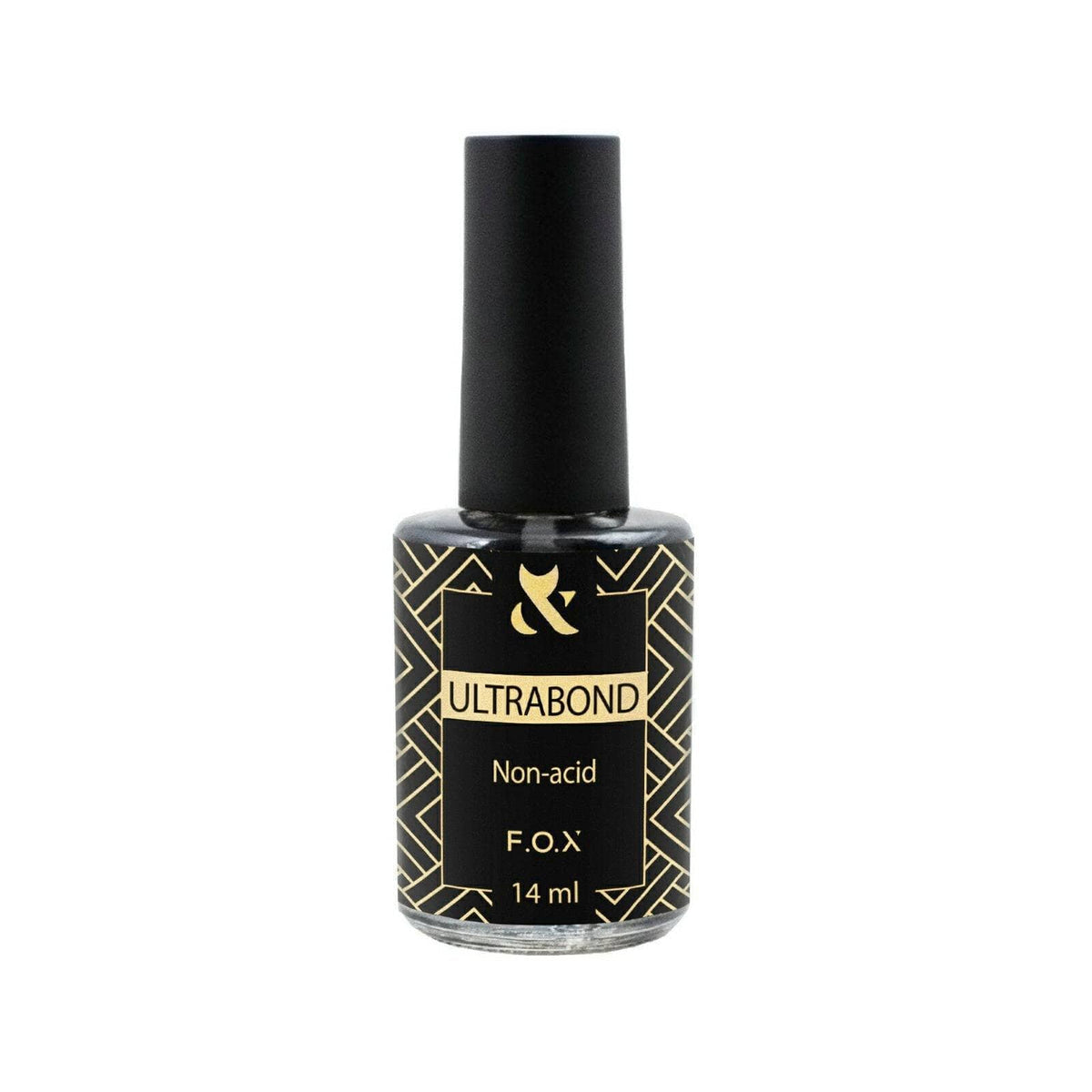
The biggest difference between acid and non-acid primers comes down to how each creates adhesion:
- Acid primers create a stronger grip by lightly etching the nail surface
- Non-acid primers create adhesion chemically without aggressively altering the natural nail plate
In simple terms, acid primers are usually reserved for tougher retention challenges, while non-acid primers are the everyday go-to for most gel services.
What Does Nail Primer Do That Dehydrator Can't?
A dehydrator removes oils and moisture from the nail surface. A primer does something completely different. It creates the adhesive layer that helps gel or acrylic stay attached to the natural nail plate long-term.
Without primer, even perfectly applied gel can begin lifting from the edges or cuticle area within days, especially on oily nails or clients hard on their hands.
A nail primer helps by:
- Creating a chemical bond between the nail plate and the enhancement product
- Anchoring gel and acrylic systems more securely
- Reducing lifting from underneath the product
- Improving overall wear time and durability
- Helping prevent peeling around the cuticle area
- Supporting better adhesion on difficult nail types
Think of it this way:
- The dehydrator removes anything that could interfere with adhesion
- The primer creates the connection that keeps product locked onto the nail
Both steps matter because adhesion problems usually start below the surface. A nail may look clean, but if there’s no bonding layer underneath, the product has very little to grip onto over time.
Expert Insight: Many lifting issues blamed on “bad gel” are actually prep issues. In professional nail prep, the dehydrator and primer work together, not interchangeably. One cleans the nail plate, while the other helps create long-lasting retention.
Nail Primer Application Tips
For proper primer application:
- Apply a very thin layer
- Use the brush and apply from the cuticle to the free edge
- Avoid touching skin or cuticles
- Allow the primer layer to air-dry completely
- Keep the bottle tightly capped to prevent evaporation
Thicker layers don’t improve adhesion. They often create more lifting instead.
Nail Dehydrator vs. Primer: What’s the Actual Difference?
This is the core confusion for many nail techs and home users. Dehydrator and primer are both part of nail prep, but they solve different problems.
|
Nail Dehydrator |
Nail Primer |
|
Removes oils and moisture |
Creates a chemical bond |
|
Degreases the nail surface |
Anchors product to nail |
|
Evaporates quickly |
Leaves bonding layer |
|
Strongly recommended for gel |
Required for most gel systems |
|
Required for acrylic |
Required for acrylic |
|
No UV lamp needed |
No UV lamp needed |
|
Cleans the nail plate |
Improves adhesion |
|
Skipping increases lifting risk |
Skipping weakens retention |
Can You Use One Without the Other?
Technically, yes, but most lifting issues start when one of these steps is skipped.
Dehydrator Only
Using only a dehydrator leaves you with a clean nail surface, but no actual bonding layer underneath the gel or acrylic. At first, the manicure may look perfectly fine. The problem usually shows up a few days later.
Nail Primer Only
Using a primer without a dehydrator creates a different problem. Even if the nail looks clean, invisible oils and moisture still sit on the nail surface.
Using Both
Using a dehydrator and nail primer together is the professional standard because each product solves a different problem.
Conclusion
When it comes to nail dehydrators vs. primers, they’re both partners in the same prep routine. A dehydrator removes oils, moisture, and residue from the nail surface, while a primer creates the chemical bond that helps gel and acrylic stay attached.
For professional-quality retention, the correct sequence matters: dehydrator first, nail primer second, and base coat immediately after. Skipping prep steps is one of the biggest reasons nails lift early.
If you want a reliable professional setup, the F.O.X NANO Dehydrator Nail Prep and F.O.X Ultrabond Non-Acid Primer give you a straightforward prep routine designed for consistent results across a wide range of nail types.


